A vertical cylinder lab filter press stands as the indispensable core solid-liquid separation device across mining, mineral processing, metallurgical and environmental mineral laboratories worldwide. Sealed by precision mechanical clamping and driven by adjustable air pressure, the vertical cylinder lab filter press efficiently separates mineral slurry, tailings, smelting slag and mixed mineral suspensions to deliver crystal-clear filtrate alongside intact, uniformly moist filter cakes.
As global mineral industries accelerate toward sustainable, low-carbon mining practices, reliable lab filtration hardware such as the vertical cylinder lab filter press directly shapes the accuracy of mineral assay data, resource recovery calculations and tailings waste management assessments.
Why Vertical Cylinder Lab Filter Press Is Indispensable to Global Sustainable Mineral Labs
The performance of a vertical cylinder lab filter press dictates the credibility of all subsequent lab testing workflows, which is why this piece of equipment is non-negotiable for every professional mineral laboratory.
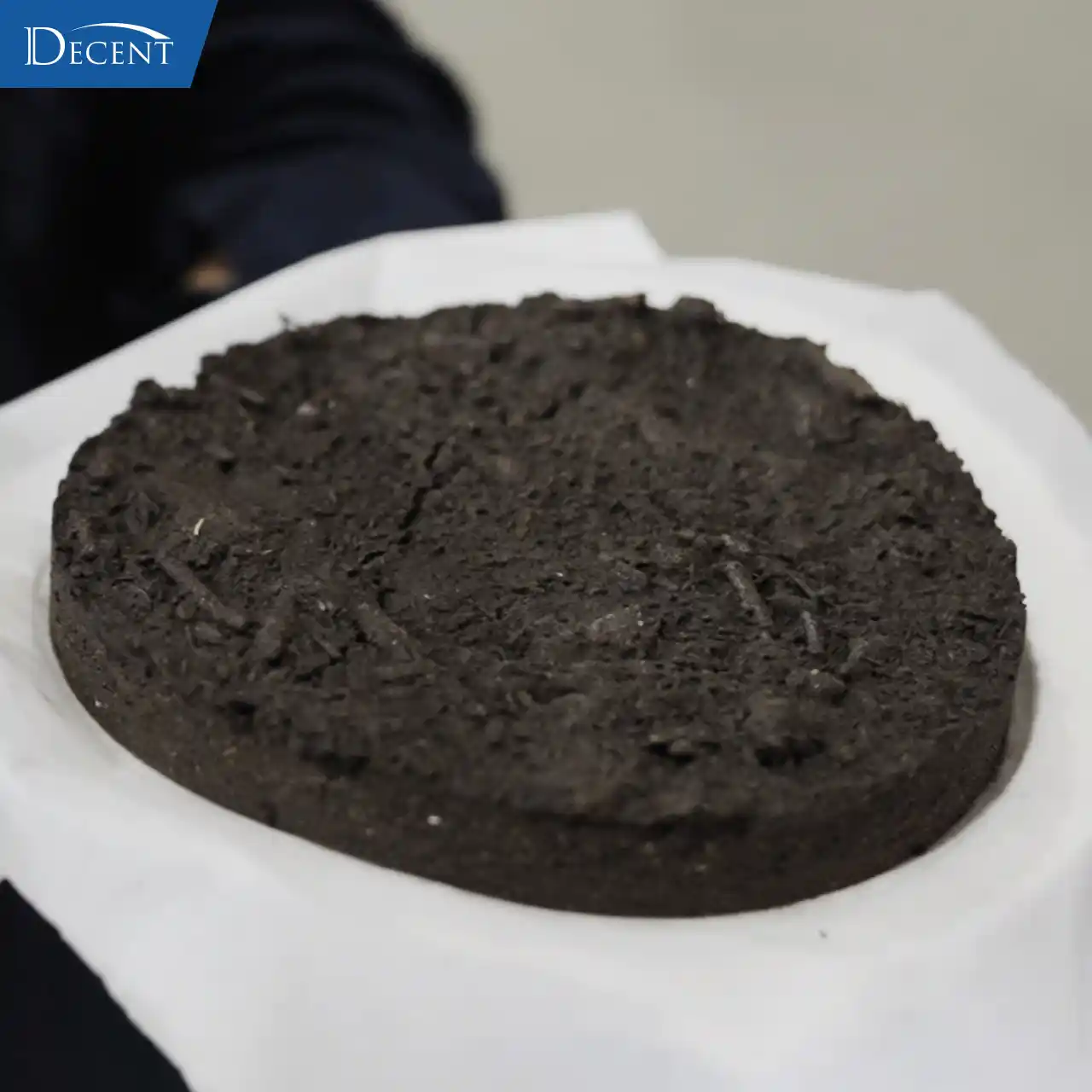
The clarity of filtrate directly stabilizes analytical instrument readings for elemental and ionic testing, while the integrity and consistent moisture content of filter cakes govern core metrics including leaching efficiency, mineral recovery rates and energy consumption for sample drying.
Subpar filtration hardware without the precision design of a professional vertical cylinder lab filter press triggers a series of costly lab risks: inconsistent filter cake moisture, turbid filtrate that skews lab results, and cross-contamination between different mineral samples. Flawed data from inferior filtration equipment misguides mineral processing R&D, tailings remediation planning and industrial mine operation decisions—creating substantial financial and environmental risks for global mining operators.
Yet many global lab procurement managers and mineral technicians prioritize upfront price and exterior appearance only when sourcing a vertical cylinder lab filter press, overlooking three make-or-break parameters: construction material compatibility, matched chamber capacity and precise pressure regulation.
|
|
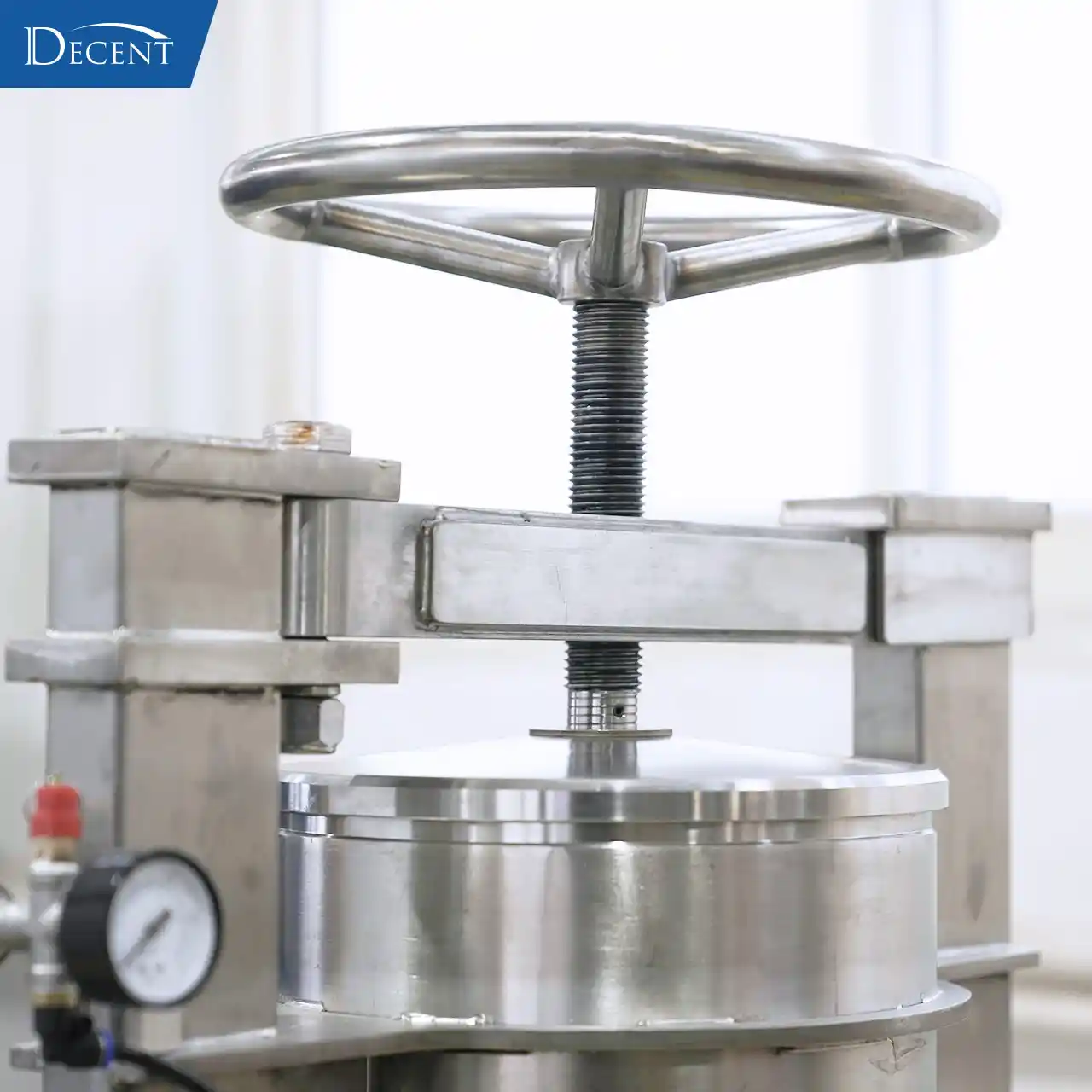
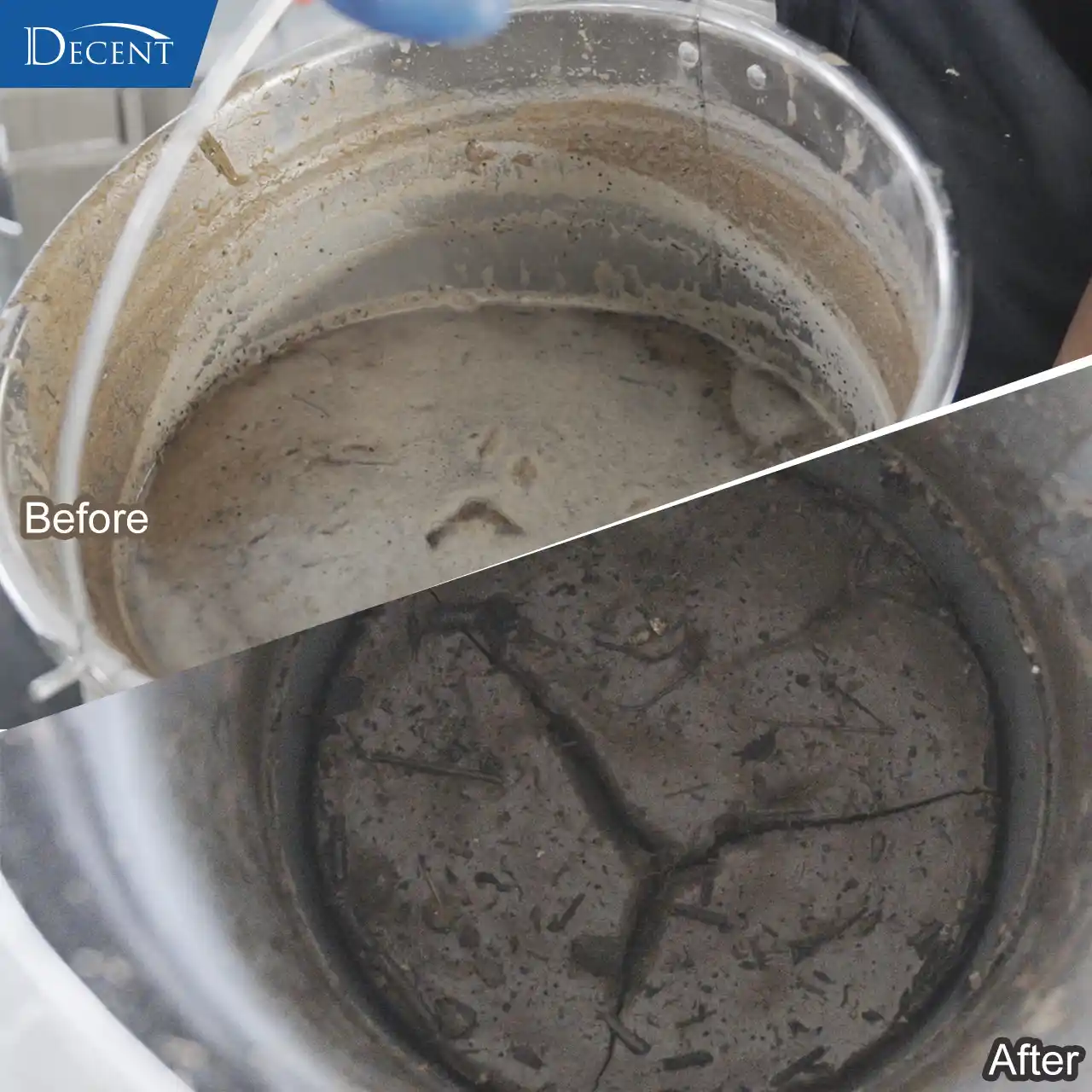
After deployment, labs frequently face premature equipment corrosion, wasted lab resources from mismatched sizing, and unstable filter cake quality caused by unregulated pressure systems. This article delivers field-tested, international-standard selection guidance for the Vertical cylinder lab filter press, helping global mineral labs avoid common procurement failures while aligning with worldwide sustainable mining targets.
Tip 1: Mismatched Construction Materials Shorten Vertical Cylinder Lab Filter Press Service Lifespan
Mineral slurries feature vastly diverse chemical compositions, ranging from neutral alkaline ore pulp to highly acidic, fluoride-laden leach residues. Material compatibility is the top priority when selecting a vertical cylinder lab filter press, as all wetted components directly determine equipment durability, operational stability and long-term maintenance expenses.
- Carbon Steel: Suits neutral and low-alkalinity mineral slurries. Delivers cost-effective performance for routine non-corrosive mineral testing and serves as an economical baseline option for small-scale regional mineral labs.
- Grade 304 Stainless Steel: The universal industry standard for the vertical cylinder lab filter press. Balances corrosion resistance and budget, compatible with nearly all neutral and weakly acidic mineral slurries, widely deployed in geological research institutes and university mineral labs globally.
- Grade 316 Stainless Steel: Superior resistance to strong acids, fluoride and chloride corrosion. Though carrying a marginally higher upfront investment, this alloy eliminates risks of cylinder rust, structural deformation and slurry leakage for aggressive metallurgical leachate and toxic tailings processing, cutting long-term replacement costs for high-demand mineral labs.
Countless global mineral labs experience premature breakdown of their vertical cylinder lab filter press purely due to material-slurry incompatibility. Carbon steel units exposed to acidic mineral slurry develop severe rust and failed sealing within months; specifying Grade 316 stainless steel for standard alkaline ore pulp creates unnecessary capital expenditure. Matching construction alloys to slurry chemistry maximizes both the service life of your vertical cylinder lab filter press and total lab operational efficiency.
Tip 2: Optimize Vertical Cylinder Lab Filter Press Capacity to Balance Lab Output & Resource Efficiency
The rated capacity of a vertical cylinder lab filter press defines the maximum volume of mineral slurry and filter cake the unit can process per single batch, making right-sizing critical to align with daily lab testing workflows. Routine mineral characterization trials rely on small batch sizes with multiple parallel test groups, while mid-scale pilot process evaluation demands larger single-batch processing capacity.
Undersized vertical cylinder lab filter press models force repeated filling, clamping and discharging cycles. Frequent manual handling extends lab testing timelines and introduces human error that distorts comparative mineral data. Conversely, overspecifying oversized floor-standing Vertical cylinder lab filter press units wastes valuable laboratory floor space and inflates consumption costs for filter cloth, compressed air and chemical reagents—an especially severe burden for compact regional mineral labs with limited operational budgets.
Practical Capacity Sizing Methodology
- Calculate the target dry filter cake weight required for your full set of mineral assays per test batch;
- Factor in mineral slurry solid concentration and target compressed cake thickness to compute total slurry volume demand;
- Select bench-top 5L / 10L Vertical cylinder lab filter press for micro-sample R&D and parallel comparison tests; opt for 13L, 21L or maximum 40L floor-standing variants for pilot-scale mineral slurry preparation and bulk tailings analysis.
|
|
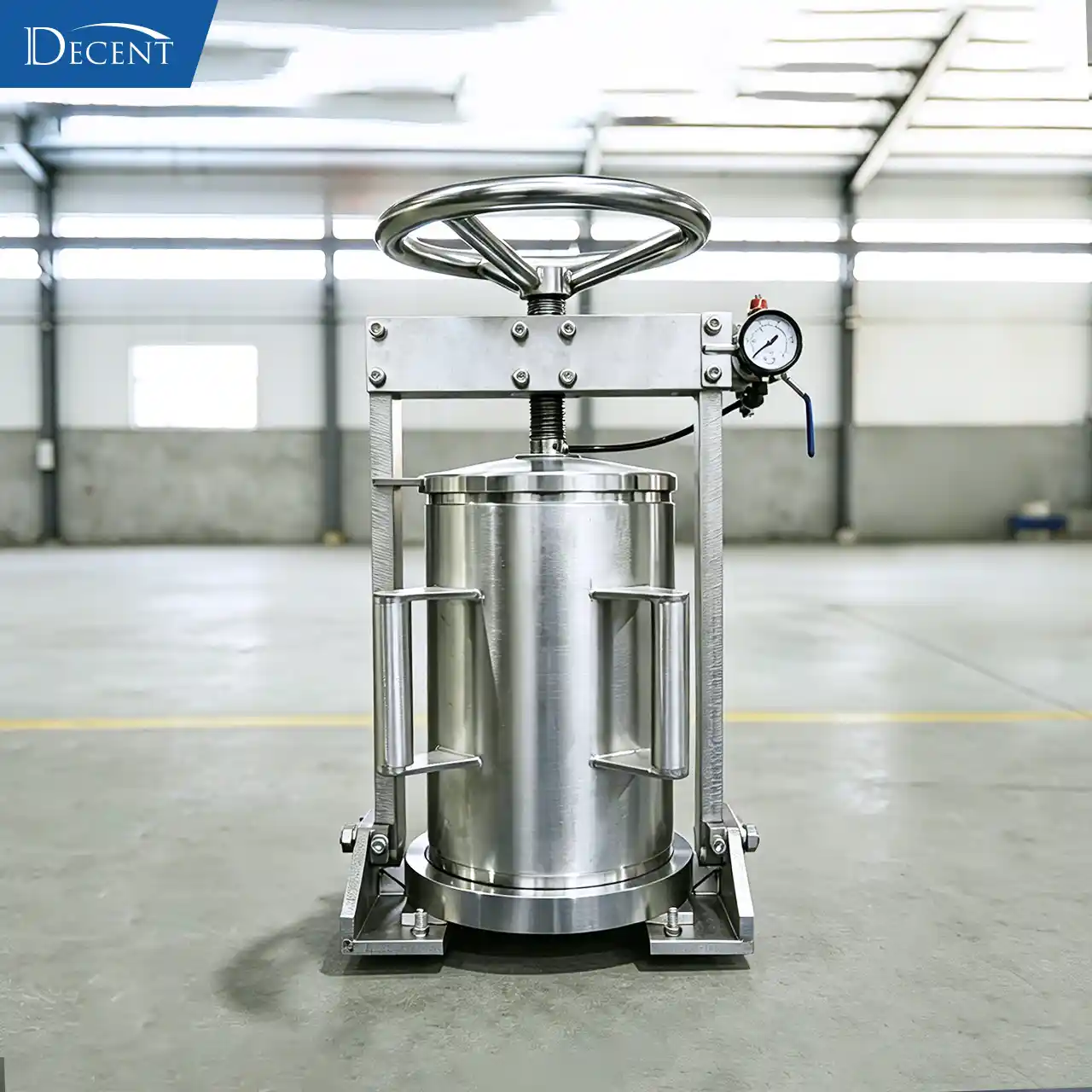
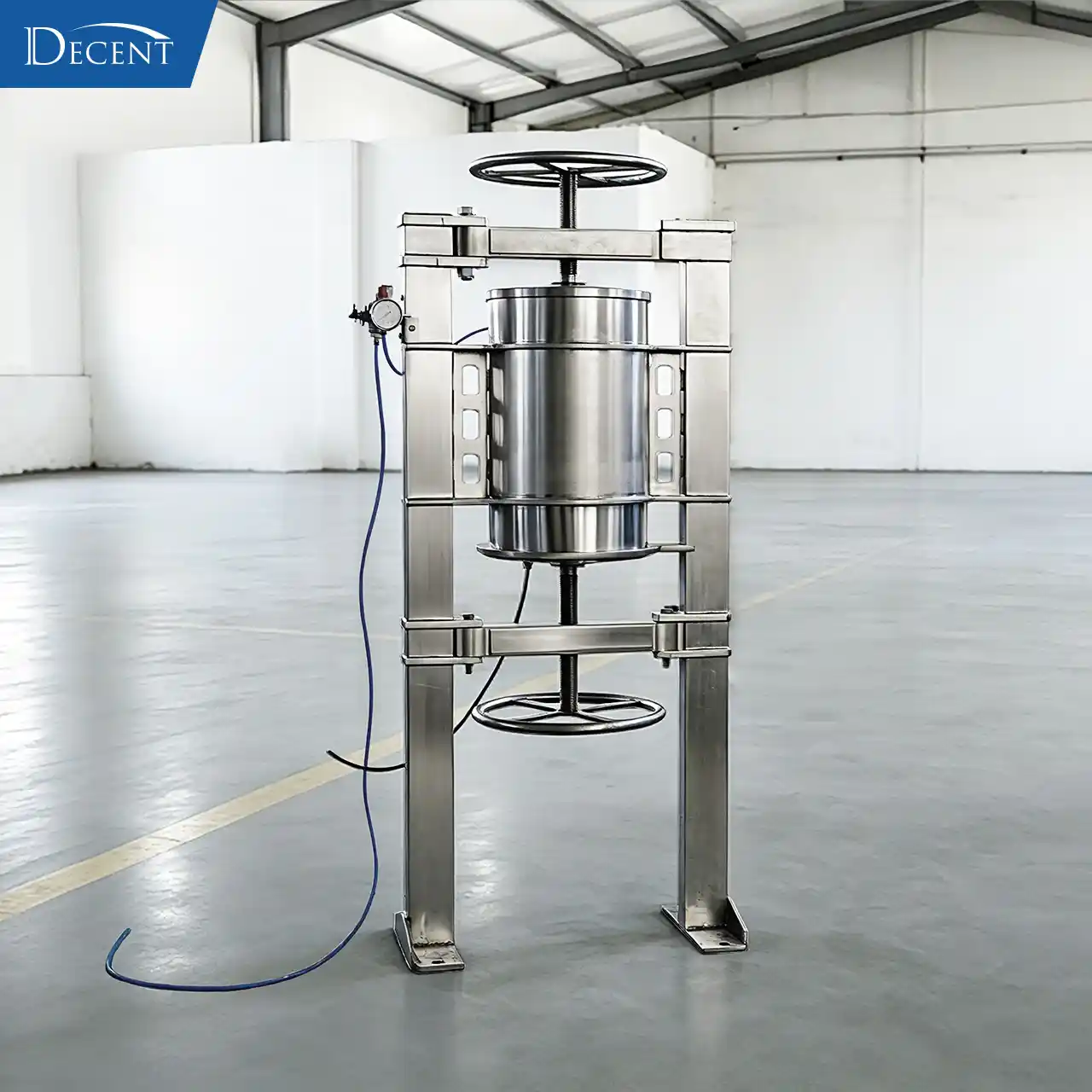
Tip 3: Precision Pressure Control Determines Consistent Filter Cake Moisture from Vertical Cylinder Lab Filter Press
Filter cake moisture content is a core benchmark for all mineral laboratory analysis, and calibrated pressure management represents the defining feature of a high-performance vertical cylinder lab filter press. Insufficient filtration pressure retains excessive free moisture within filter cakes, skewing mineral elemental testing and increasing energy expenditure for post-filtration sample drying and transportation. Excessively high pressure accelerates abrasion and premature failure of filter cloths and sealing gaskets, raising recurring lab maintenance overhead.
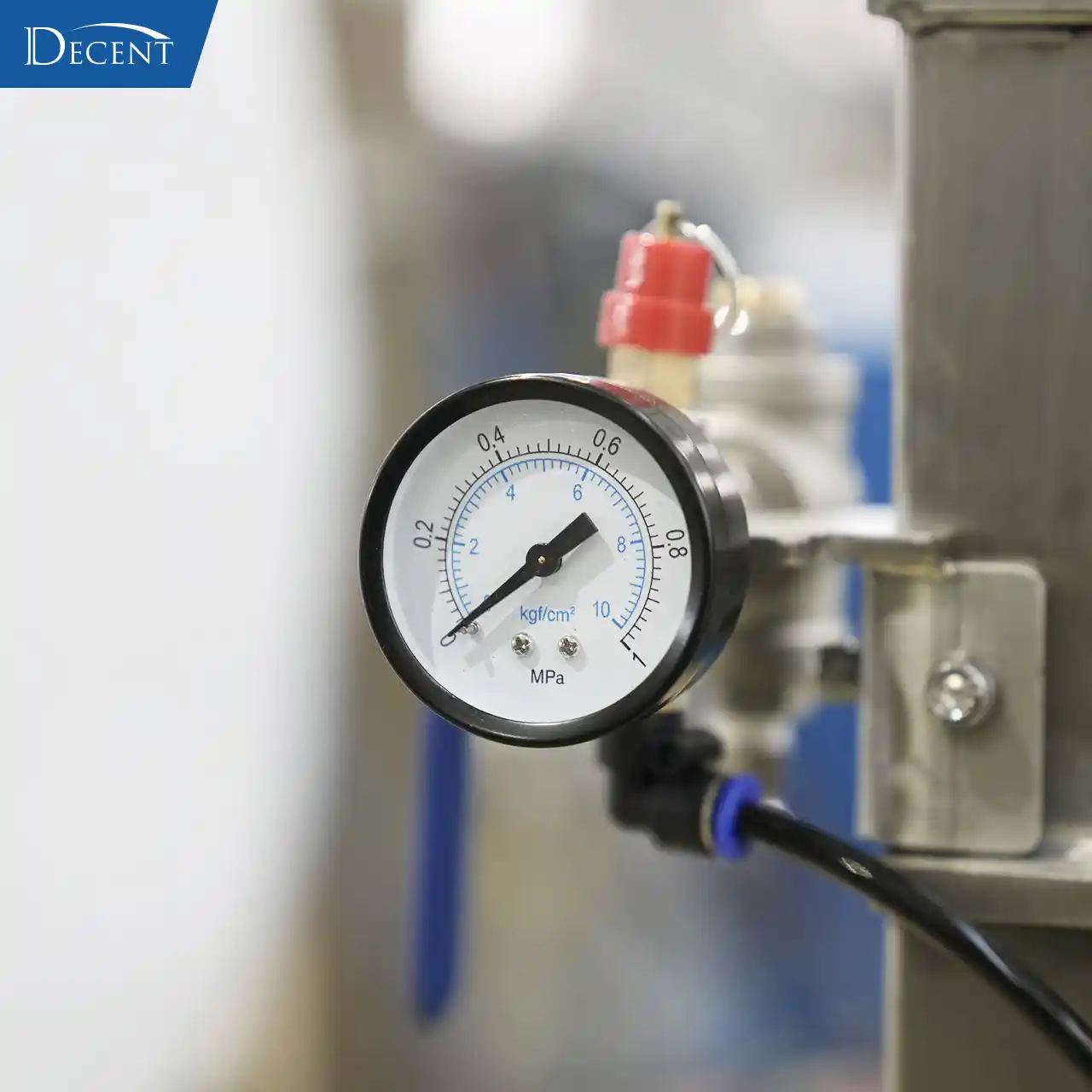
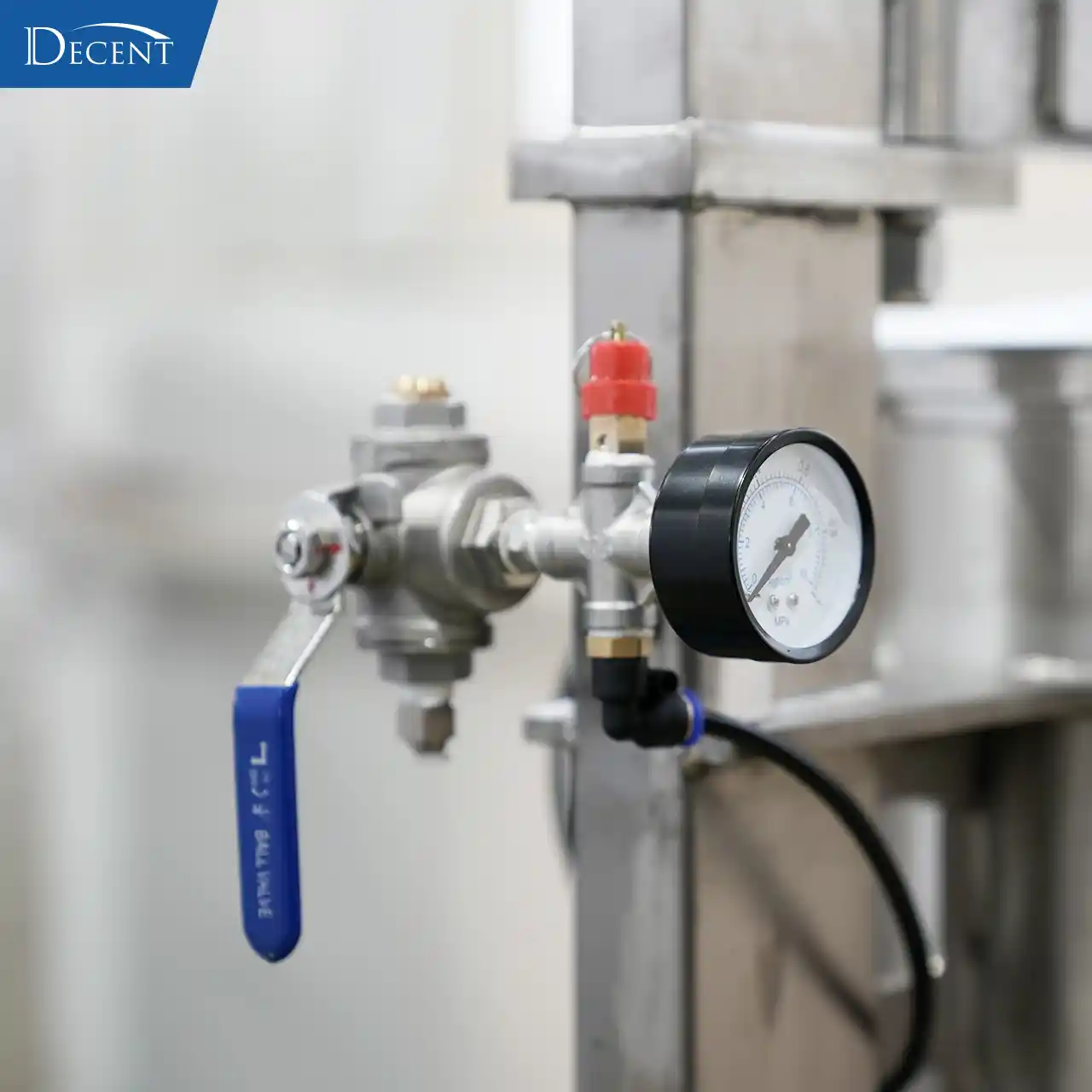
Premium vertical cylinder lab filter press systems integrate complete ball valve manifolds and visual pressure gauge assemblies, enabling fine-tuned regulation of pressurization, venting and full drainage cycles. Real-time pressure readouts support standardized, repeatable testing protocols, ensuring identical filter cake moisture across every batch of mineral slurry processed.
This consistent data reproducibility is a core advantage that simple gravity or vacuum filtration setups cannot replicate, cementing the essential role of a professional Vertical cylinder lab filter press in formal mineral research compliant with global mining sustainability standards.
Tip 4: Choose Fully Sealed Cylinder Design to Meet Global Lab Safety & Green Mining Rules
Many low-cost filtration devices adopt open semi-sealed structures that cannot handle volatile, toxic or odorous mineral slurries, triggering chemical fume leakage, environmental pollution and lab safety hazards. This is the fourth vital factor when purchasing a vertical cylinder lab filter press.
|
|
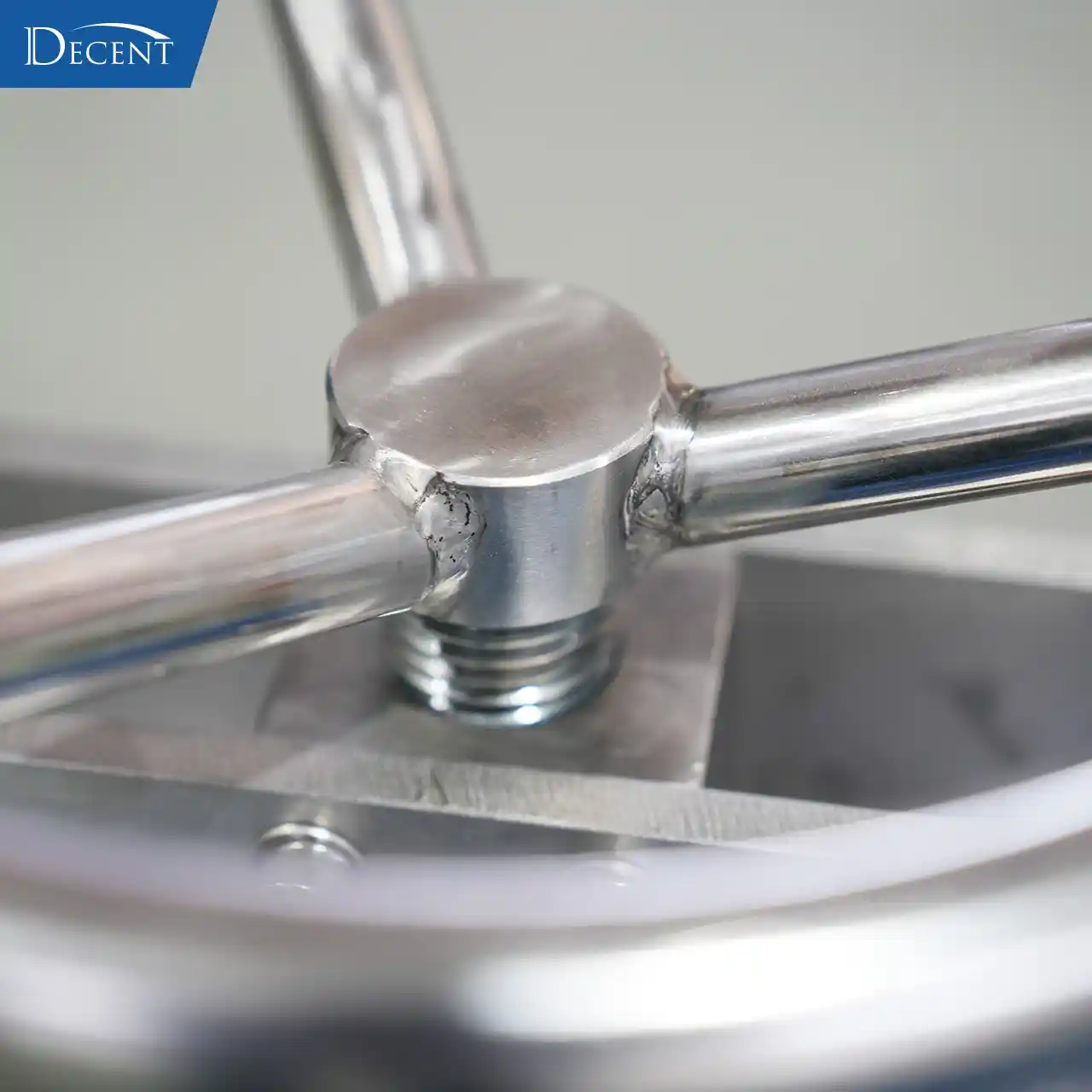
High-quality vertical cylinder lab filter press adopts an integrated fully enclosed cylinder structure. The bidirectional manual spiral locking system forms a zero-leakage sealed chamber during filtration, effectively trapping harmful volatile substances inside the cylinder. This design complies with international laboratory safety standards and global green mining emission control requirements, perfectly suitable for metallurgical leachate, heavy metal tailings and other hazardous mineral slurry filtration tasks. For remote containerized mobile mineral labs with strict emission limits, this fully sealed design becomes an irreplaceable advantage of the Vertical cylinder lab filter press.
Tip 5: Adopt Power-Free Manual Clamping to Adapt to Variable Global Lab Power Conditions
Numerous mining labs are built in remote mountainous mining areas, mobile containerized test stations and overseas resource sites with unstable or limited power supply. Electrically driven filter presses cannot operate normally under power outages, interrupting all mineral testing schedules. This makes power-independent operation the fifth key selection tip for a reliable vertical cylinder lab filter press.
Qingdao Decent Group full series of vertical cylinder lab filter press is equipped with ergonomic manual spiral clamping mechanisms. Operators can complete full sealing of the filter cylinder only by rotating upper and lower handwheels, without relying on electric hydraulic systems. Whether in urban central laboratories or off-grid field mobile labs, the vertical cylinder lab filter press maintains stable filtration performance, avoiding experimental stagnation caused by power failures. The robust mechanical structure also reduces electronic failure points and cuts long-term maintenance costs for global users.
Tip 6: Verify Global After-Sales & Spare Parts Support to Avoid Long-Term Operational Downtime
Even the most durable Vertical cylinder lab filter press needs regular replacement of consumables such as filter cloth and sealing gaskets. If suppliers lack overseas service networks, users will face long waiting cycles for spare parts, suspending mineral testing progress for weeks or even months. Comprehensive worldwide technical service is the sixth non-negotiable selection tip for global mineral labs sourcing the vertical cylinder lab filter press.
|
|
Qingdao Decent Group builds a complete global service system matching its mission Empowering Global Mining Laboratories Through Technology. We set up localized after-sales teams and authorized regional distributors across North America, Latin America, Africa, Southeast Asia and Central Asia. Global clients can enjoy rapid on-site equipment commissioning, operational training and emergency spare parts delivery for all vertical cylinder lab filter press units. Our technical team also provides free pre-sales customized consultation including slurry material matching, capacity calculation and pressure parameter optimization, delivering full-cycle support from equipment selection to long-term operation.
Source Reliable Vertical Cylinder Lab Filter Press to Streamline Global Mineral Lab Operations
Across mineral solid-liquid separation workflows worldwide, the compact footprint, intuitive operation and full sealed design of the vertical cylinder lab filter press have established it as the preferred filtration solution for modern sustainable mineral laboratories.
Qingdao Decent Group operates as a high-tech enterprise specializing in full-spectrum mineral laboratory equipment and turnkey testing solutions, guided by the core brand mission: Empowering Global Mining Laboratories Through Technology.
Investing in a properly specified vertical cylinder lab filter press from Qingdao Decent Group boosts daily lab throughput, stabilizes mineral separation results and delivers credible, repeatable testing data to advance sustainable mining project planning across the globe.