TML testing equipment for bulk cargo are the indispensable technical core for preventing solid bulk cargo liquefaction, a hidden danger that has long plagued the international maritime transportation industry. In January 2026, the Singapore-registered bulk carrier “Devon Bay” sank rapidly after sending its final distress signal near Huangyan Island. Preliminary investigations revealed that the nickel ore loaded on board liquefied, causing the ship to lose stability within just a few minutes and eventually capsize. The accident resulted in at least 2 deaths and 4 missing persons, and it once again sounded the alarm for the industry on the importance of TML testing equipment for bulk cargo in maritime safety protection.
This is not an isolated incident. Looking through the accident records in the international maritime field, over the past 30 years, 23 bulk carrier sinking accidents caused by solid bulk cargo liquefaction have been recorded worldwide, with a total of 138 deaths. More alarmingly, in the decade from 2012 to 2021, more than three-quarters of seafarers’ fatalities were directly related to cargo liquefaction. These accidents share a common feature: they occur extremely quickly, are difficult to warn, and have an extremely low survival rate—from the start of cargo liquefaction to the capsizing of the ship, it usually takes only 3 to 15 minutes.
In this short period of time, crew members often have no time to send a complete distress signal, let alone launch lifeboats, and their lives are instantly swallowed by the ruthless sea water. Behind these cold figures and tragic accidents lies the great hazard of “solid bulk cargo liquefaction”—an “invisible maritime killer” whose threat cannot be ignored. The core to solving this problem lies in accurately grasping the Transportable Moisture Limit (TML) and conducting professional TML testing with qualified TML testing equipment for bulk cargo, which is also the core original intention of Decent Group in deeply cultivating the mineral laboratory equipment field and developing specialized TML testing equipment for bulk cargo.
The Truth About Liquefaction: Why TML testing equipment for bulk cargo Are Indispensable
To understand solid bulk cargo liquefaction, we can start with an everyday scenario. Imagine building a sandcastle by the sea: dry sand can be piled high easily, but once water seeps in, the friction between sand grains disappears, and the built sandcastle collapses. This is the basic principle of liquefaction, and it is also the fundamental reason why accurate TML detection with TML testing equipment for bulk cargo is required to control cargo water content.
It should be made clear that liquefaction is not “cargo turning into water”, but a process in which the framework composed of solid particles loses its bearing capacity, making the whole present fluid characteristics. When the cargo is stationary, the particles are in contact with each other, relying on friction to provide shear strength to maintain a solid state; however, when the ship sways in wind and waves and the hull vibrates, the cargo particles shake and rearrange, and the pore volume between particles also decreases.
If the water content of the cargo is too high, the water stored in the pores cannot be discharged in time, and the pore water pressure will rise sharply. When the pore water pressure rises to a certain level, the effective contact force between particles approaches zero, friction disappears completely, and the cargo loses its bearing capacity.
At this time, the originally solid bulk cargo will present a fluid state similar to “liquid”, which in turn causes the ship’s center of gravity to shift and capsize—this is the complete process of solid bulk cargo liquefaction, and it is also the key reason why TML testing equipment for bulk cargo become the core of maritime transportation safety. Only by using professional TML testing equipment for bulk cargo to accurately measure the TML value of cargo and strictly control the actual water content below the safety limit can we fundamentally cut off the occurrence of liquefaction.
|
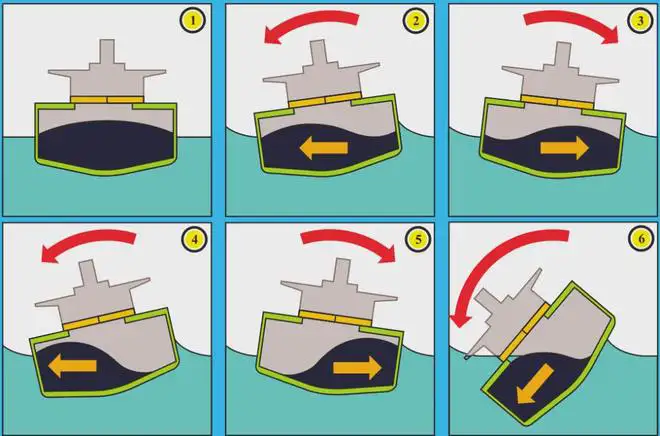
Diagram of the Process of Ship Capsizing Caused by Solid Bulk Cargo Liquefaction
In the international trade maritime transportation system, solid bulk cargo accounts for nearly 40% of the global maritime transportation volume. Iron ore powder, bauxite, nickel ore, copper concentrate, lead concentrate, manganese ore powder, various metal slags… These goods closely related to industrial production all have liquefaction risks.
These goods share a common feature: they have fine particles and are extremely sensitive to water content. A slight negligence in water content control may lead to irreversible maritime accidents. To avoid this risk, the core is to accurately determine and control the Transportable Moisture Limit (TML) of the cargo with standard TML testing equipment for bulk cargo, which is also the safety bottom line mandatory required by the International Maritime Organization (IMO).
Inventory of High-Risk Cargoes: TML testing equipment for bulk cargo Cover All Liquefiable Minerals
All high-risk liquefiable bulk cargos in the maritime and mining industries need to be tested with professional TML testing equipment for bulk cargo before transportation.
- Iron ore powder, as the bulk cargo with the largest global maritime transportation volume, has fine particles and extremely high water sensitivity, and is the “number one culprit” of liquefaction accidents, which requires high-precision TML testing equipment for bulk cargo for regular detection;
- bauxite, which seems hard, is also prone to liquefaction due to excessive moisture in the fine particle state, and needs targeted TML testing equipment for bulk cargo to adapt to its material characteristics;
- nickel ore, a high-frequency transportation cargo on the route from Southeast Asia to China, is a high-incidence carrier of liquefaction accidents, and the detection data of TML testing equipment for bulk cargo is the core basis for its safe transportation;
- in addition, non-ferrous metal concentrates such as copper concentrate and lead concentrate, as well as industrial by-products such as manganese ore powder and various metal slags, all need to be tested with compliant TML testing equipment for bulk cargo to obtain valid TML data and ensure transportation safety.
The wide coverage of high-risk liquefiable cargos puts forward higher requirements for the adaptability of TML testing equipment for bulk cargo. It is necessary to have a complete product line that can cover fine particles, coarse particles, clay-containing materials and other different types of cargos, and can meet the detection needs of various minerals such as iron ore powder, bauxite, and nickel ore. This is also the direction of Qingdao Decent Group’s R&D and design for TML testing equipment for bulk cargo—based on the actual needs of the industry, develop targeted testing equipment to achieve full coverage of liquefiable cargo detection scenarios.
Core of Prevention and Control: TML (Transportable Moisture Limit), the “Safety Red Line” Guarded by TML testing equipment for bulk cargo
How can we prevent maritime disasters caused by cargo liquefaction? Based on the overview above, we can know that “high water content” and “vibration” are the core factors causing liquefaction—during ship navigation, vibration caused by wind and waves is inevitable. Therefore, the water content of the cargo becomes the only actively controllable key variable, and the core focus of prevention work is to accurately measure the TML value with professional TML testing equipment for bulk cargo and strictly control the actual water content below this limit.
To prevent such accidents, the International Maritime Organization (IMO) has formulated an industry iron law—the International Maritime Solid Bulk Cargo Code (IMSBC Code), among which the most critical concept is the Transportable Moisture Limit (TML). The so-called TML (Transportable Moisture Limit) refers to the maximum water content of cargo that is considered safe during maritime transportation. It is usually derived from the Flow Moisture Point (FMP). As long as the actual water content of the cargo is controlled below this value with the detection data of TML testing equipment for bulk cargo, the risk of liquefaction can be fundamentally avoided.
The IMSBC Code clearly stipulates: If the actual water content of the cargo exceeds the Transportable Moisture Limit (TML), the cargo shall not be loaded and transported unless the ship is specially modified to control cargo displacement. This is not just a suggestion, but a mandatory rule. At the same time, the Code also requires that the TML test certificate issued based on the detection results of TML testing equipment for bulk cargo shall be issued within 6 months before loading, and the cargo water content certificate shall be issued within 7 days before loading to ensure the timeliness and accuracy of the data.
Even if holding a compliant TML test certificate, the captain and crew still have absolute rights and must perform their obligations before loading—conduct a quick inspection of the cargo, verify the authenticity of the test report generated by TML testing equipment for bulk cargo, and eliminate potential safety hazards caused by false data. This process is also the last solid line of defense against liquefaction accidents.
It is worth emphasizing that cargo liquefaction is by no means an accidental accident, but a physical process that can be accurately defined and effectively prevented and controlled. Only by using standard TML testing equipment for bulk cargo to detect the TML value of the cargo and controlling the water content of the cargo below the Transportable Moisture Limit (TML) can we fundamentally curb the occurrence of liquefaction and hold the safety bottom line of maritime transportation; and accurate TML testing based on qualified TML testing equipment for bulk cargo is the core premise to achieve this goal.
Officially Recognized: Three TML Testing Methods Matching TML testing equipment for bulk cargo
Then, how to determine the Transportable Moisture Limit (TML) with TML testing equipment for bulk cargo? According to the clear requirements of the IMSBC Code, there are currently three officially recognized TML testing methods, which are applicable to different types of solid bulk cargoes, and Decent Group has developed corresponding TML testing equipment for bulk cargo for each method to achieve accurate matching of testing methods and equipment.
- Flow Table Method — The Routine Choice for Fine-Grained Concentrates, Matched with Specialized TML testing equipment for bulk cargo
Principle: After loading the cargo sample into a conical mold and compacting it, place it on a special vibration table, and impact the sample at a specific frequency through the vibration table to simulate the bumpy environment during ship navigation. Then observe the state of the sample.
When the sample begins to produce plastic flow (characterized by raised edges, collapse without fragmentation), the water content of the sample at this time is the Flow Moisture Point (FMP), and then the Transportable Moisture Limit (TML) is derived from this. This method is the most commonly used TML detection method in the industry, and it is also the main application scenario of a series of TML testing equipment for bulk cargo developed by Decent Group.
Application: Fine-grained concentrates (maximum particle size ≤ 1mm, up to 7mm in some cases), such as iron ore powder, copper concentrate, zinc concentrate, nickel ore.
Features: Low equipment cost, intuitive operation, and wide application, but the results rely on the operator’s visual judgment, which is subjective. The corresponding TML testing equipment for bulk cargo of Decent Group for this method have optimized the vibration system to minimize human error and improve the accuracy of detection results.
- Penetration Method — The Preferred Choice for Objectivity and Accuracy, Equipped with Customized TML testing equipment for bulk cargo
Principle: Fix the cargo sample on a vibration table, place a penetration cone of specific weight in vertical contact with the sample surface, and after the vibration reaches the specified number of times, measure the depth of the penetration cone inserted into the sample. By testing samples with different water contents multiple times, draw the relationship curve between insertion depth and water content. The node where the curve mutates (insertion depth increases sharply) is the Flow Moisture Point (FMP), and then the Transportable Moisture Limit (TML) is derived. This method has high objectivity of detection results, and the corresponding TML testing equipment for bulk cargo have become the first choice for laboratories with high data accuracy requirements.
Application: Also applicable to fine-grained concentrates with a maximum particle size of 1mm, especially suitable for scenarios requiring objective data.
Features: Objective measurement results (depth values) and good repeatability, but high requirements for the consistency of sample packing density. Decent Group’s TML testing equipment for bulk cargo for this method have a humanized sample loading design, which can effectively ensure the consistency of sample packing density and further improve the repeatability of detection data.
- Proctor/Fagerberg Method — The Authoritative Choice for Complex Materials, Developed with Targeted TML testing equipment for bulk cargo
Principle: Based on soil compaction theory: compact cargo samples with different water contents in layers with a standard rammer, and measure the dry density of each compacted specimen. When the water content continues to increase but the dry density no longer rises (that is, the air porosity of the sample is close to zero and reaches a saturated state), the water content at this time is the Transportable Moisture Limit (TML). This method is suitable for the detection of complex materials such as coarse particles and clay-containing minerals, and the corresponding TML testing equipment for bulk cargo are the core equipment for authoritative arbitration detection in the industry.
|
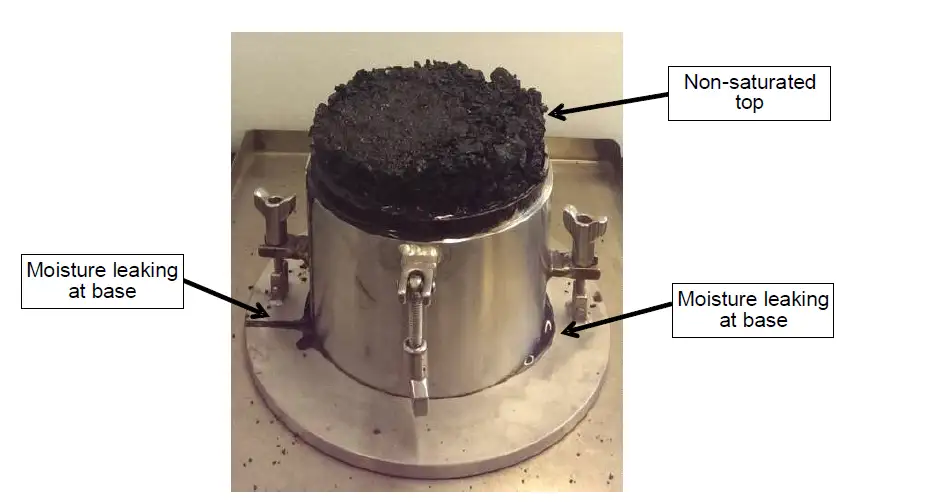
Application: Suitable for coarse-grained or clay-containing materials, such as bauxite, laterite nickel ore, and materials that are difficult to determine by the Flow Table Method.
Features: Solid theoretical foundation, stable and reliable results, often used for arbitration verification, but complex and time-consuming operation, high requirements for the skills of test personnel, and not suitable for rapid testing scenarios. Qingdao Decent Group’s TML testing equipment for bulk cargo for this method have optimized the operation process and realized semi-automatic compaction and detection, which greatly improves the testing efficiency on the premise of ensuring accuracy.
Core Differences Between the Three Methods and Matching TML testing equipment for bulk cargo
| Testing Method | Applicable Materials | Main Features | Corresponding TML testing equipment for bulk cargo |
| Flow Table Method | Typical concentrates | Most commonly used, low cost, but relies on the operator’s subjective judgment | DTML-D Flow Table Tester (optimized vibration system, reduced human error) |
| Penetration Method | Fine-grained concentrates | Strong objectivity, but complex equipment and sensitive to sample density | DTML-I Penetration Tester (humanized sample loading, consistent packing density) |
| Proctor/Fagerberg Method | Clay-containing and coarse-grained materials | Suitable for materials difficult to determine by the Flow Table Method, stable results, but long test cycle | TML-D Proctor/Fagerberg Tester (semi-automatic operation, improved testing efficiency) |
Three Core Factors for Choosing TML Testing Methods and TML testing equipment for bulk cargo
In practical operation, the selection of the Transportable Moisture Limit (TML) determination method and matching TML testing equipment for bulk cargo usually needs to comprehensively consider the following three core factors to ensure that the determination work is compliant, accurate and meets actual needs:
- Material Characteristics: This is the primary basis for selecting the determination method and TML testing equipment for bulk cargo. It is necessary to match the most suitable testing method and corresponding equipment according to the core characteristics of the cargo, such as particle size and composition (e.g., whether it contains clay minerals), to ensure the accuracy of the determination results.
- Regulatory and Customer Requirements: It is necessary to strictly follow the relevant provisions of the IMSBC Code, while taking into account the special requirements of the region where the destination port is located, as well as the determination method agreed by both parties in the specific trade contract, and select TML testing equipment for bulk cargo that meet the international and regional regulatory requirements to ensure that the testing process meets compliance and agreed requirements.
- Laboratory Capability: Testing institutions need to select the testing method and TML testing equipment for bulk cargo that they can operate proficiently and ensure data accuracy in combination with their own equipment configuration, technical expertise and testing efficiency needs, so as to avoid affecting testing quality due to insufficient equipment or technical limitations. Decent Group provides comprehensive technical training and after-sales support for all TML testing equipment for bulk cargo to help laboratories master the operation skills quickly.
DECENT 3 Professional TML testing equipment for bulk cargo: Accurately Adapt to Official Methods and Build a Solid Testing Defense Line
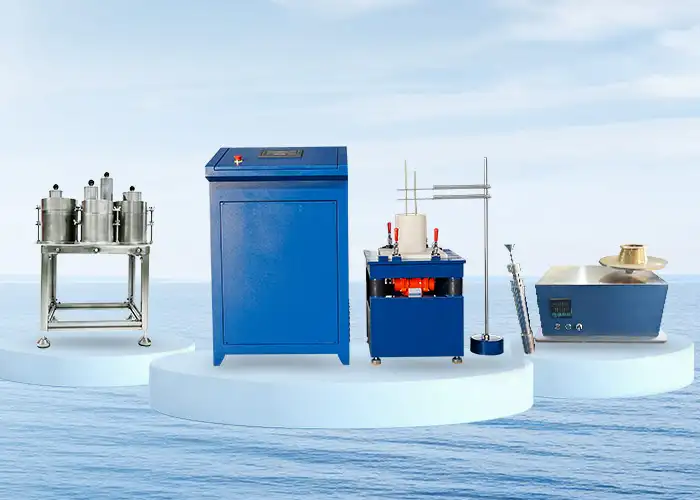
In response to the above three official TML determination methods, Qingdao Decent Group, a high-tech enterprise specializing in mineral laboratory equipment and solutions, has accurately matched industry needs and launched three professional TML testing equipment for bulk cargo, fully covering various liquefiable solid bulk cargo testing scenarios from iron ore powder to bauxite, providing reliable testing support for maritime transportation safety and mining laboratory efficiency. All TML testing equipment for bulk cargo are independently developed and designed by Qingdao Decent Group, with all specifications and parameters clearly disclosed and traceable, and fully compliant with IMSBC international standards, making them the first choice for mineral laboratories, third-party testing institutions and port inspection departments for TML detection.
DTML-D Flow Table Tester — TML testing equipment for bulk cargo Adapting to Flow Table Method
As a professional TML testing equipment for bulk cargo adapted to the Flow Table Method, the DTML-D Flow Table Tester is the core equipment for the routine detection of fine-grained concentrates in the industry.
Its core technology strictly follows the IMSBC standard, adopts mechanical vibration mode, and accurately controls the vibration amplitude at 12.5mm, which is fully consistent with international TML testing specifications; the number of vibrations supports an ultra-wide range of 1–9999 times, which can flexibly match the testing needs of different samples, simulate the bumpy environment of different degrees during ship navigation, and ensure that the test results are consistent with the actual transportation scenario.
|
|
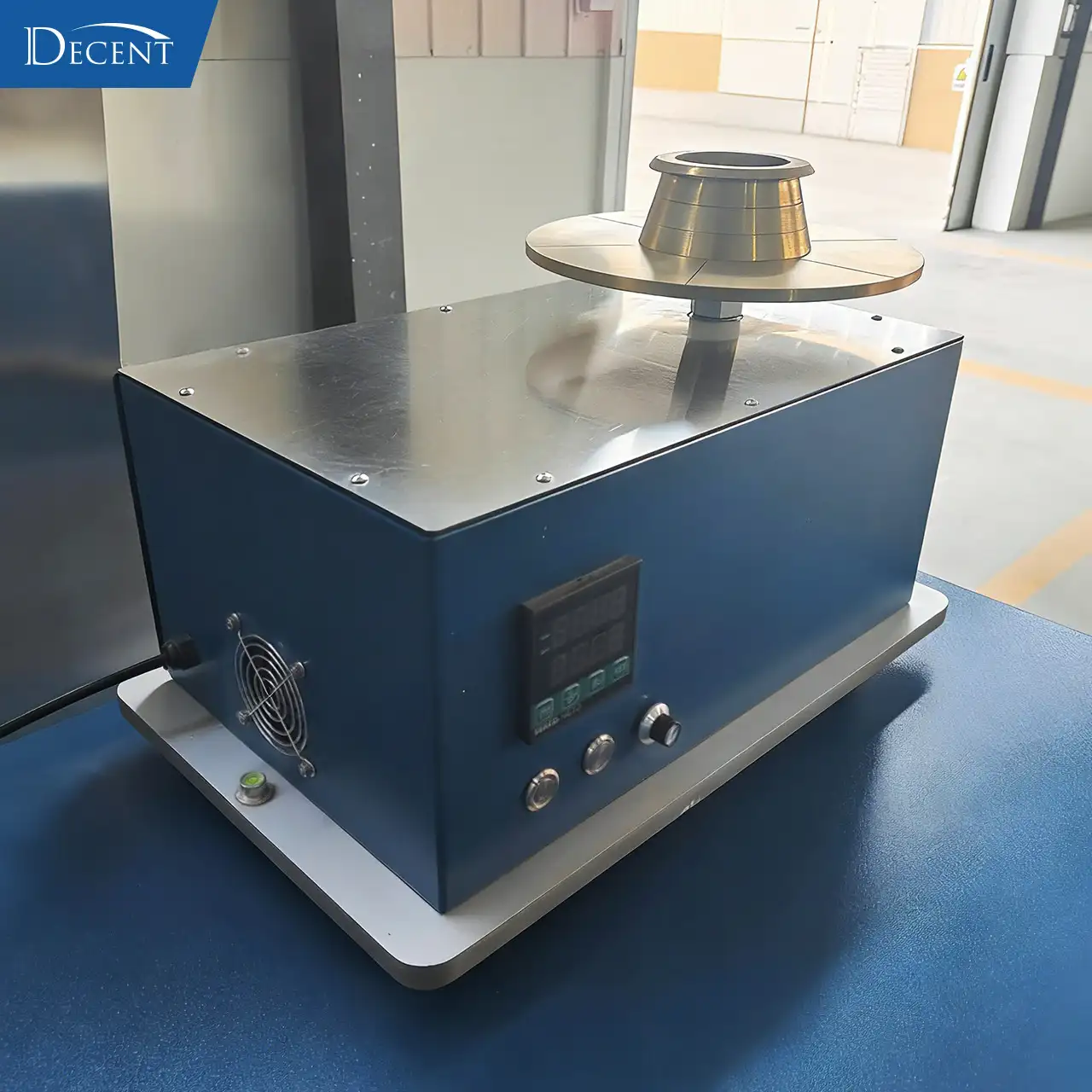
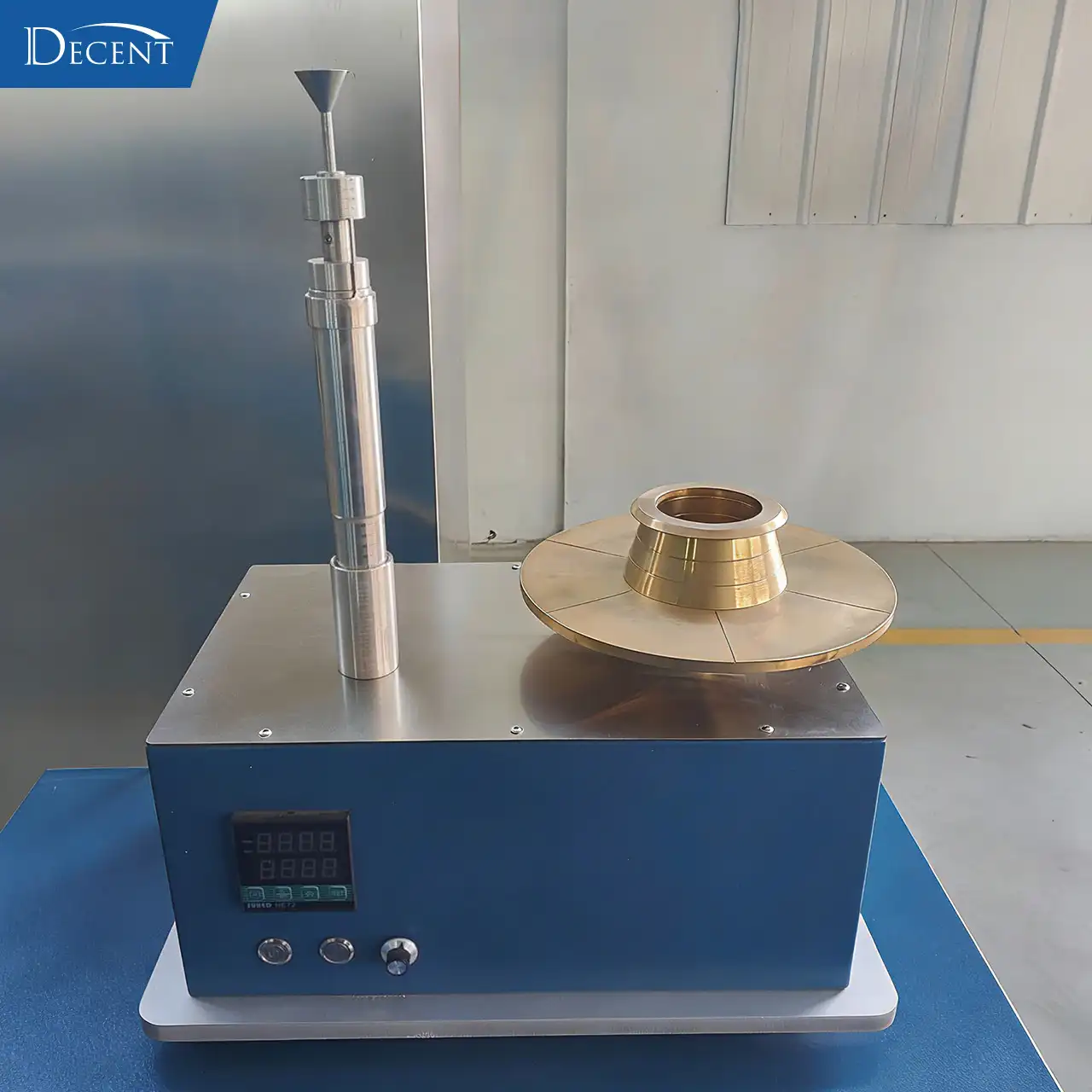
As a classic TML testing equipment for bulk cargo, it has the advantages of simple operation, high efficiency and low cost, and is widely used in the daily TML detection of fine-grained concentrates.
Applicable Minerals: Mainly used for typical concentrates with particle size ≤ 1mm, such as iron ore powder, copper concentrate, zinc concentrate; for materials with particle size 1–7mm, it can be tested with reference to this equipment, taking into account both testing flexibility and applicability.
DTML-I Penetration Tester— TML testing equipment for bulk cargo Adapting to Penetration Method
The DTML-I Penetration Tester is a customized TML testing equipment for bulk cargo for the Penetration Method, focusing on the objective and accurate detection of fine-grained concentrates. Its core technology adopts a mechanical vertical vibration design, and the vibration acceleration is strictly controlled at 2g rms ±10%, which fully meets the requirements of the IMSBC standard, ensuring the compliance and accuracy of TML testing data; the table size is designed as 500×500mm, which can easily meet the placement needs of various sample containers, adapt to different specifications of test samples, and improve operational convenience.
|
|
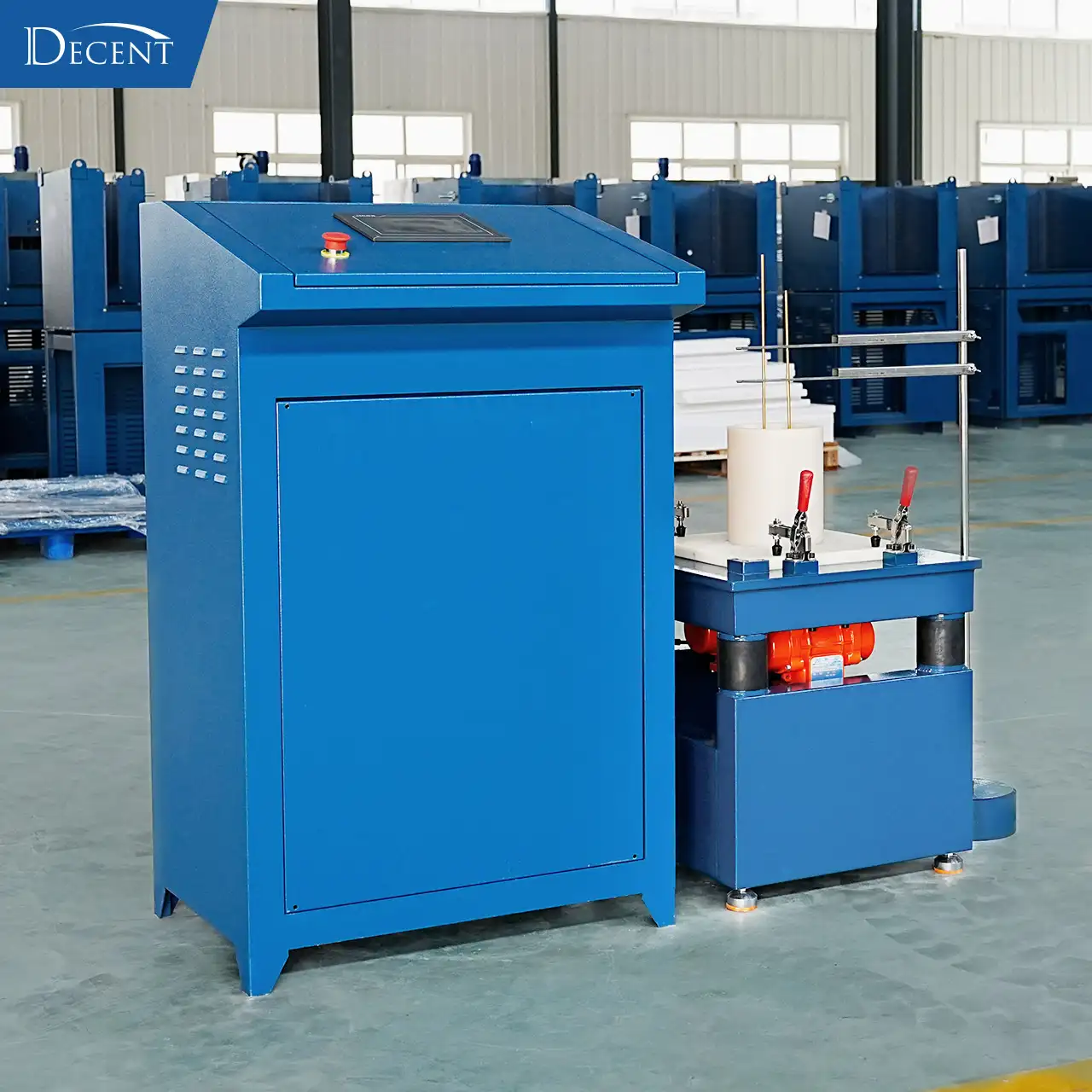
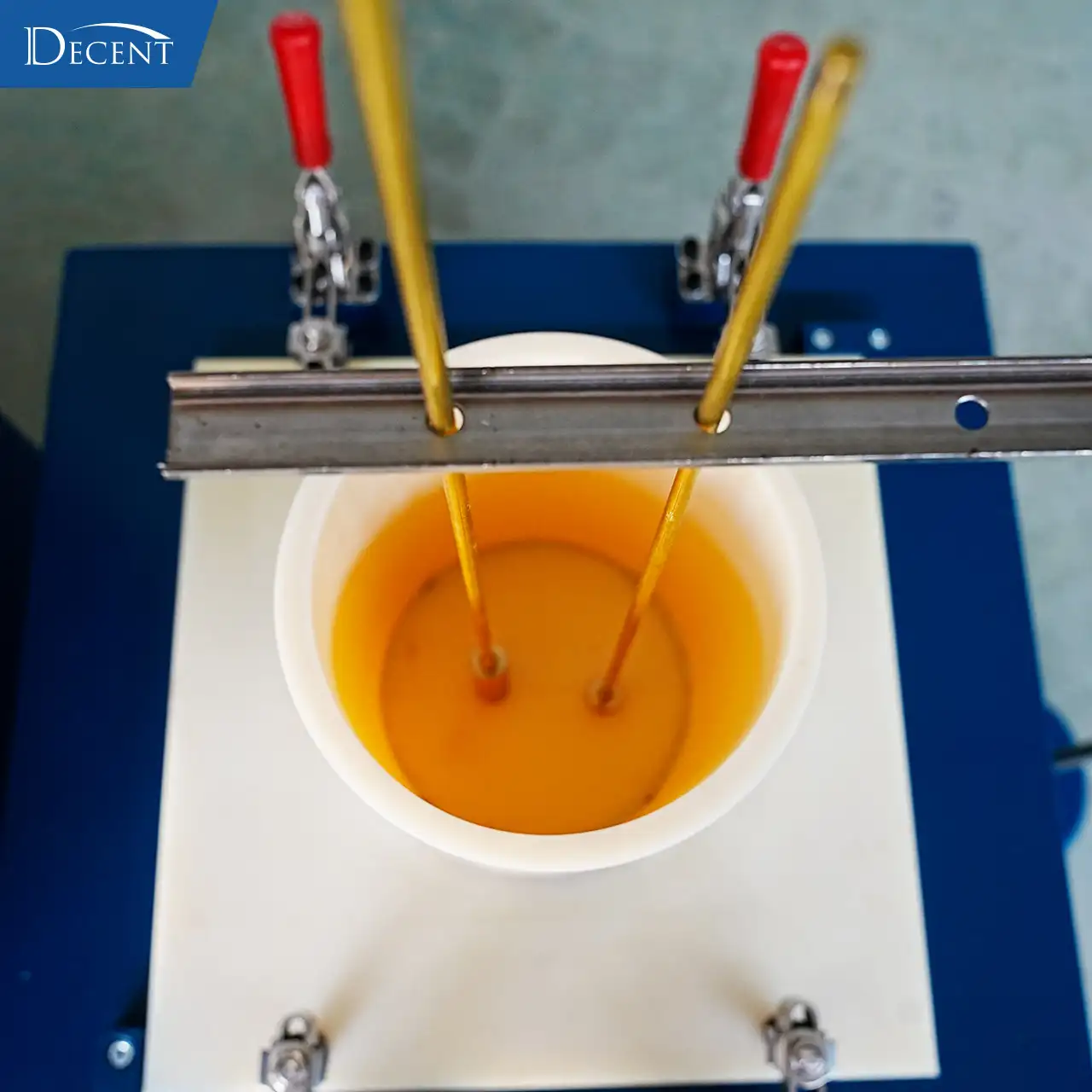
As a high-precision TML testing equipment for bulk cargo, it can effectively reduce errors caused by manual observation and improve data credibility, and is the preferred equipment for laboratories and third-party testing institutions with high requirements for data objectivity.
Applicable Minerals: Mainly for fine-grained concentrates with a maximum particle size of 1mm, especially suitable for scenarios where objective and repeatable TML detection data is required.
TML-D Proctor/Fagerberg Tester — TML testing equipment for bulk cargo Adapting to Proctor/Fagerberg Method
The TML-D Proctor/Fagerberg Tester is a targeted TML testing equipment for bulk cargo developed by Qingdao Decent Group for the Proctor/Fagerberg Method, which is the core equipment for the authoritative detection of complex liquefiable materials.
Its core technology is based on the Proctor/Fagerberg method, adopting a dynamic compaction method to accurately simulate the compaction state of cargo at the bottom of the ship’s cargo hold, restore the force-bearing situation of materials in actual transportation, and ensure the authenticity and reliability of TML testing results; the equipment is made of full stainless steel, with excellent corrosion resistance, and can operate stably for a long time in harsh environments such as ports and mines, and is durable. As an upgraded TML testing equipment for bulk cargo, it has realized semi-automatic compaction and detection, greatly shortening the test cycle on the premise of ensuring the authority of detection results.
Applicable Minerals: Wide detection range, covering three major types of liquefiable materials including coal, iron ore, and bauxite, and exclusively launching a special version for iron concentrate, which accurately matches the testing needs of specific minerals and improves testing accuracy; the tank volume design fully considers the differences in bulk density of different materials, ensuring sufficient test sample volume and further guaranteeing the accuracy of test results. This exclusive version makes Qingdao Decent Group’s TML testing equipment for bulk cargo fill the industry gap in iron concentrate TML detection and become a unique advantage in the market.
|
|
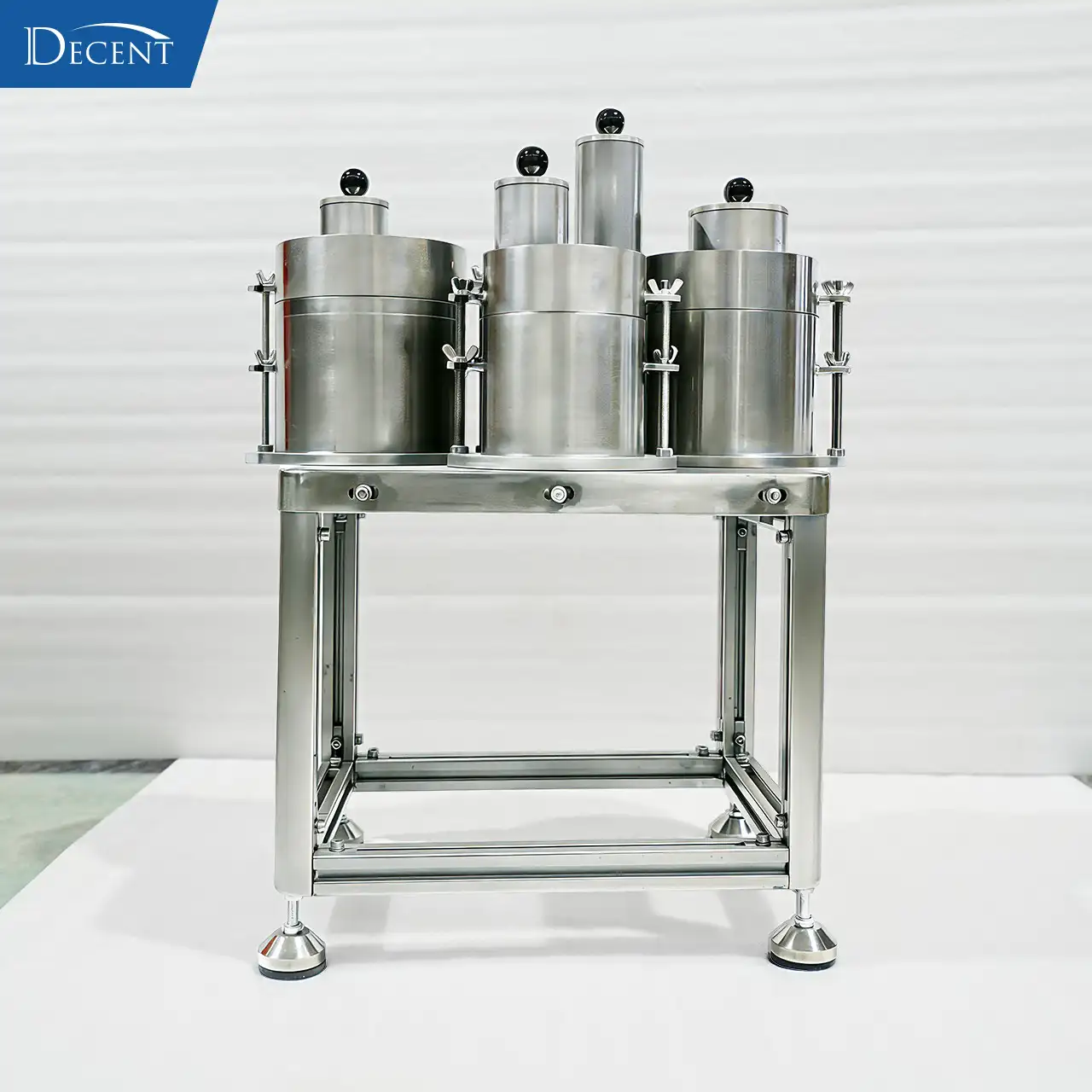
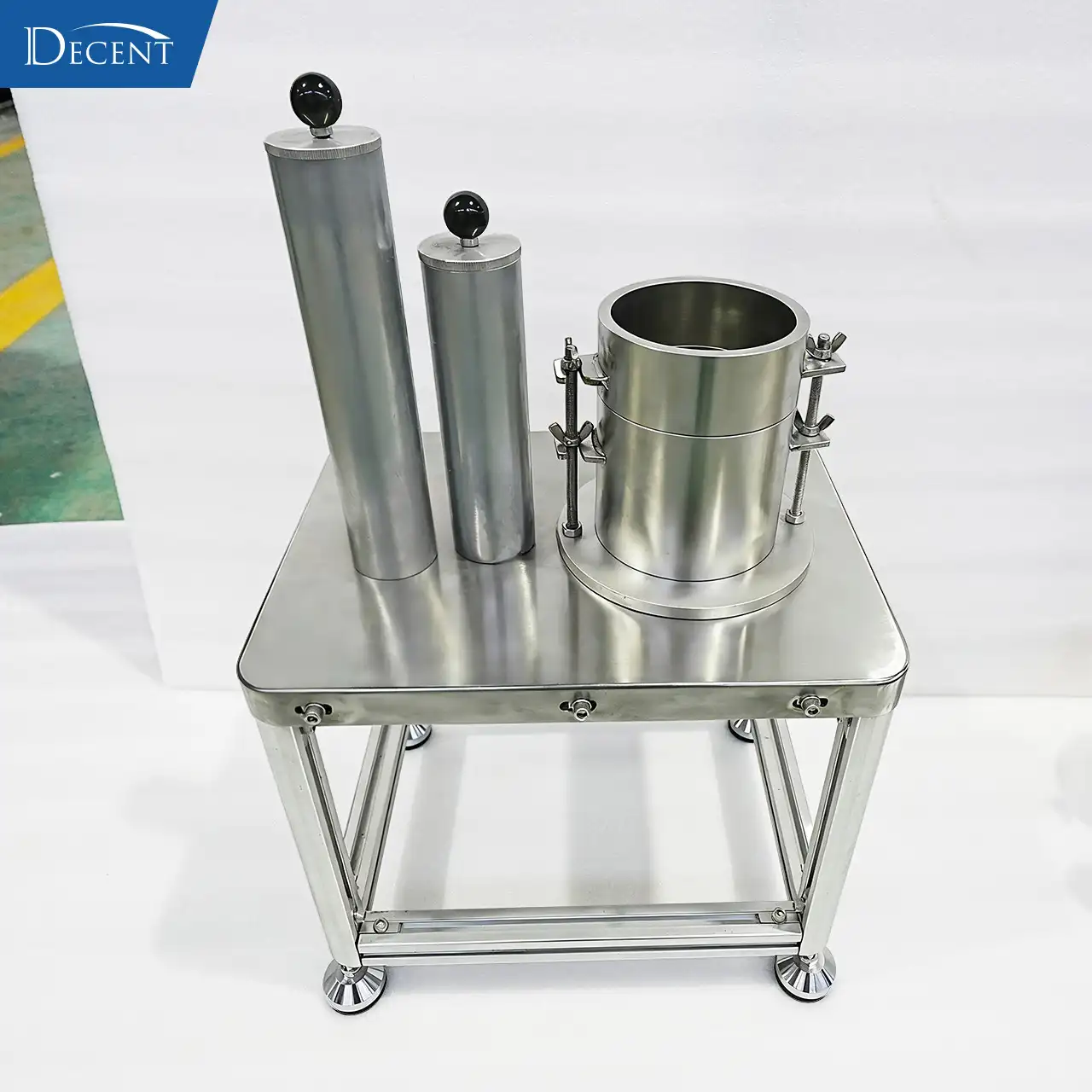
The three TML testing equipment for bulk cargo of Qingdao Decent Group all strictly correspond to the three official determination methods, and the specifications and parameters of all equipment are clearly public and traceable. They not only ensure the traceability and reproducibility of TML testing results, but also help customers quickly and accurately select suitable TML testing equipment for bulk cargo according to their own testing needs, material characteristics and laboratory capabilities, efficiently complete TML testing work, and build a solid testing defense line for maritime transportation safety and mining industry development.
As a professional manufacturer of mineral laboratory equipment, Qingdao Decent Group also provides comprehensive pre-sales consultation, on-site installation, technical training and after-sales maintenance for all TML testing equipment for bulk cargo, creating a one-stop service system to ensure that customers can use the equipment with peace of mind and detect it accurately.
Conclusion: DECENT TML testing equipment for bulk cargo Guard Every Safe Voyage
Every bulk carrier sailing far away carries not only the core pillar of industrial production, but also the lives of countless crew members and the expectations of their families. Eliminating liquefaction accidents is not a slogan, but the superposition of every accurate TML test with TML testing equipment for bulk cargo, every strict compliance with the IMSBC Code, and every adherence to responsibility. The three testing methods specified in the IMSBC Code and the three professional TML testing equipment for bulk cargo accurately developed by Qingdao Decent Group are the key bridges to transform abstract safety standards into implementable, verifiable and traceable testing data, making safety prevention and control rule-based and tool-supported.
Qingdao Decent Group, as a high-tech enterprise integrating the design, manufacturing, training and technical support of mineral laboratory equipment, has always been committed to providing innovative, efficient and environmentally friendly laboratory equipment for mineral laboratories and research institutions worldwide with its professional technical team and strong production capacity. The R&D and launch of TML testing equipment for bulk cargo is another important practice of Qingdao Decent Group in combining industry needs with technological innovation, and it is also a concrete embodiment of the company’s concept of “supporting customers’ success with expertise” and “advancing sustainable mining practices for lasting success”.
In the future, with the continuous iteration and upgrading of TML testing technology, Qingdao Decent Group will continue to deeply cultivate the needs of the maritime and mining industries, optimize the performance of TML testing equipment for bulk cargo, expand the detection scenarios, and develop more intelligent and efficient TML testing equipment for bulk cargo to help more enterprises control the Transportable Moisture Limit in compliance, solve the safety problem of solid bulk cargo liquefaction, make this “invisible maritime killer” nowhere to hide, make every voyage full of peace of mind, make every crew member return safely, and make every expectation come true as scheduled.
Qingdao Decent Group’s TML testing equipment for bulk cargo will continue to stand at the forefront of industry technology, guard the safety of international maritime transportation with professional technology and reliable equipment, and contribute to the sustainable development of the global mining and maritime transportation industries.
Frequently Asked Questions (FAQ) About TML testing equipment for bulk cargo
- What is the core role of TML testing equipment for bulk cargo in maritime transportation?
TML testing equipment for bulk cargo are the professional equipment used to accurately measure the Transportable Moisture Limit (TML) of solid bulk cargo, and are the core technical means to prevent cargo liquefaction accidents. By detecting the TML value of cargo, it provides scientific and accurate data support for controlling the actual water content of cargo, fundamentally avoiding the occurrence of liquefaction and ensuring the safety of maritime transportation and the lives of crew members. All test results of compliant TML testing equipment for bulk cargo are the basis for issuing official TML test certificates and are recognized by the international maritime community in accordance with the IMSBC Code.
- What are the core requirements for TML testing equipment for bulk cargo in the IMSBC Code?
The IMSBC Code requires that TML testing equipment for bulk cargo used for official TML detection must comply with international testing standards, with accurate and traceable technical parameters, such as the vibration amplitude of the Flow Table Method equipment must be 12.5mm, the vibration acceleration of the Penetration Method equipment must be 2g rms ±10%, etc.; at the same time, the detection results of TML testing equipment for bulk cargo must have good repeatability and reproducibility, and can be verified and traced, so as to ensure the accuracy and authority of the TML value.
Qingdao Decent Group’s three TML testing equipment for bulk cargo all fully meet the above IMSBC Code requirements and are compliant testing equipment recognized by the industry.
- How to select suitable TML testing equipment for bulk cargo according to different cargo characteristics?
The selection of TML testing equipment for bulk cargo is mainly based on the characteristics of the detected cargo: for fine-grained concentrates (particle size ≤1mm) such as iron ore powder and copper concentrate, the DTML-D Flow Table Tester can be selected for routine detection, and the DTML-I Penetration Tester can be selected for scenarios with high data objectivity requirements; for complex materials such as coarse particles, clay-containing minerals, bauxite and laterite nickel ore, the TML-D Proctor/Fagerberg Tester, a professional TML testing equipment for bulk cargo, is the best choice; for iron concentrate detection, the exclusive iron concentrate version of TML-D Proctor/Fagerberg Tester can be selected to achieve targeted and accurate detection.
- What are the core advantages of Decent Group’s TML testing equipment for bulk cargo compared with other similar equipment?
DECENT TML testing equipment for bulk cargo have three core advantages:
① Complete compliance with international standards: All technical parameters are strictly in accordance with the IMSBC Code, ensuring that the detection results are authoritative and recognized worldwide;
② Full coverage of detection scenarios: Three equipment correspond to three official methods, covering fine particles, coarse particles, clay-containing materials and other all types of liquefiable cargos, and the exclusive iron concentrate version fills the industry gap;
③ Humanized design and comprehensive service: The equipment adopts optimized operation design, which is simple and efficient to operate, and the company provides one-stop services such as technical training, on-site installation and after-sales maintenance, solving the subsequent use problems of customers. In addition, all TML testing equipment for bulk cargo are made of high-quality materials such as full stainless steel, with excellent durability and adaptability to harsh working environments such as ports and mines.
- Can DECENT TML testing equipment for bulk cargo be customized according to the actual needs of customers?
Yes. As a professional manufacturer of mineral laboratory equipment with independent R&D and design capabilities, Qingdao Decent Group can provide customized modification services for TML testing equipment for bulk cargo according to the actual detection needs of customers, such as adjusting the vibration parameters, sample container specifications, etc., to meet the personalized detection needs of different laboratories, third-party testing institutions and port inspection departments. At the same time, Qingdao Decent Group can also provide integrated laboratory solutions, matching TML testing equipment for bulk cargo with other mineral testing equipment to build a complete mineral detection laboratory and improve the overall detection efficiency of customers.